
Vehicle Ownership on a Tight Budget: A Practical Starting Point

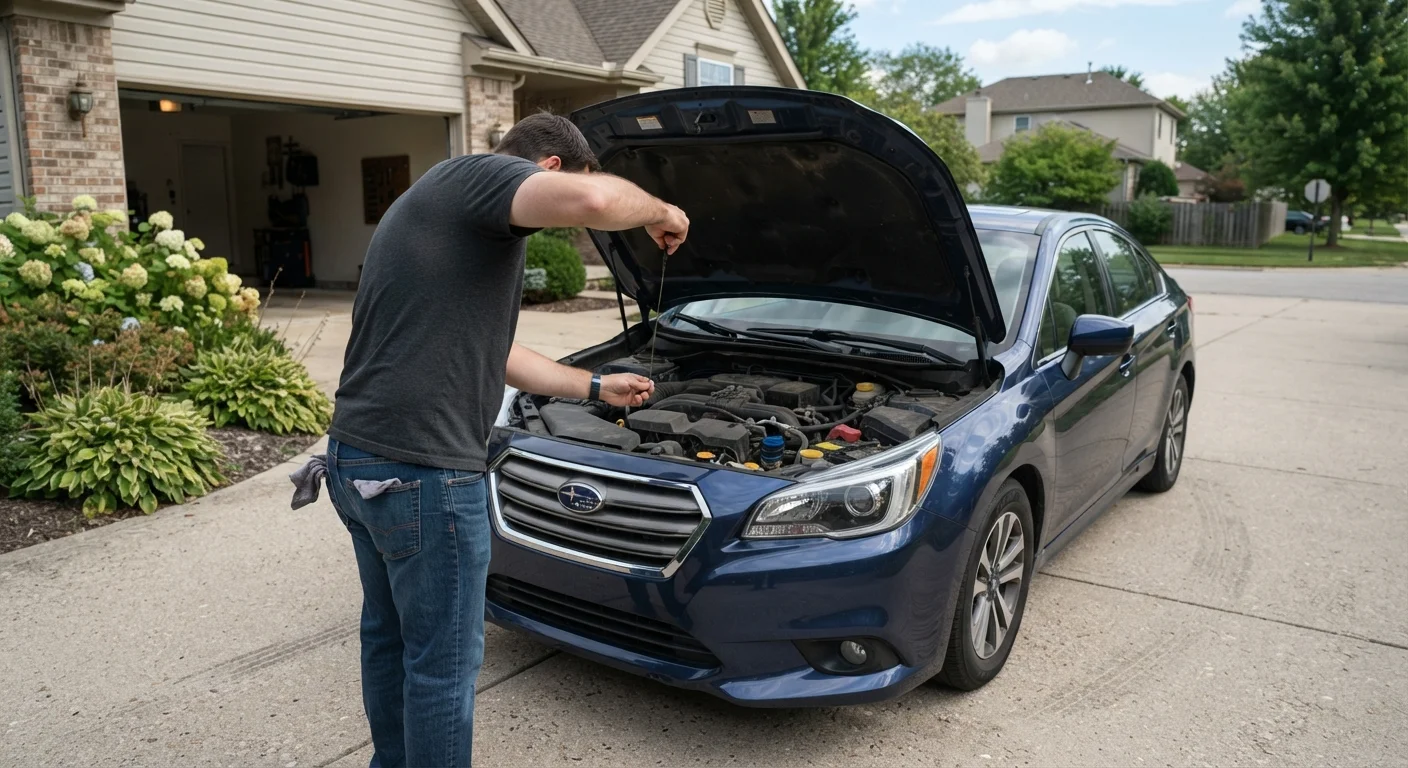
Photo: primesearches.net editorial
Key Takeaways
- The purchase price is only one part of what a vehicle costs; fuel, insurance, and maintenance add significantly to the total.
- Following the manufacturer's maintenance schedule prevents small issues from becoming expensive repairs.
- Smooth, steady driving habits can reduce fuel consumption by a meaningful margin without any equipment changes.
- Comparing insurance coverage types and adjusting deductibles can lower premiums without sacrificing necessary protection.
- A repair-versus-replace decision depends on the repair cost relative to the vehicle's current market value.
Understanding what car ownership actually costs
Most people focus on the monthly loan payment when sizing up a vehicle purchase. That number is real, but it covers only a fraction of what you will actually spend. Fuel, insurance, registration fees, routine maintenance, and eventual repairs all run on top of it.
Estimating the full cost of ownership before you commit to a vehicle is one of the most financially protective steps a family can take. A car with a lower sticker price but poor fuel economy or high insurance rates can cost more per year than a modestly priced vehicle with better real-world efficiency.
Depreciation (the loss in a vehicle's market value over time) is another cost most buyers underestimate. A vehicle that loses value quickly can leave you owing more on a loan than the car is worth, a situation called being underwater. Understanding these components together gives you a clearer picture of affordability than the monthly payment alone.
Depreciation
The amount a vehicle's market value drops over time. A car that depreciates quickly loses resale value faster, which matters if you plan to sell or trade it in.
Deductible
The dollar amount you pay out of pocket on a covered claim before your insurance company pays the rest. A higher deductible generally means a lower monthly or annual premium.
Liability coverage
Auto insurance that pays for damage or injuries you cause to other people or their property in an accident. It does not cover damage to your own vehicle.
Manufacturer maintenance schedule
A timeline in your owner's manual specifying when each service (oil change, tire rotation, filter replacements, and so on) should be performed based on mileage or time.
Rolling resistance
The friction between tires and the road surface that the engine must overcome to move the vehicle. Underinflated tires increase rolling resistance, which uses more fuel.
Insurance basics for budget-conscious drivers
Auto insurance is required in nearly every U.S. state, so the question is not whether to carry it but how to structure it sensibly. Coverage falls into two broad categories: liability coverage (which pays for damage you cause to others) and coverage for your own vehicle, which includes collision and comprehensive protection.
Lenders typically require collision and comprehensive coverage on a financed or leased vehicle. On an older vehicle you own outright, carrying only the state-minimum liability coverage may cost less annually than the vehicle is worth, which is worth weighing carefully.
Your deductible is the amount you pay out of pocket before your insurer covers the rest. A higher deductible generally means a lower annual premium. The trade-off is that you absorb more cost if you file a claim. Matching your deductible to what you could realistically pay from savings is a practical way to set it.
Driving record, annual mileage, and where you park overnight all influence your rate. Maintaining a clean driving record over time is one of the most reliable ways to keep premiums lower without reducing coverage.
Maintenance schedules that protect your wallet
Your vehicle's owner's manual contains a manufacturer maintenance schedule specifying when to change the oil, rotate tires, replace filters, check fluid levels, and inspect belts and hoses. Following it is not just good practice; it is the most cost-effective form of vehicle protection available.
Skipping or delaying scheduled maintenance tends to create a predictable pattern: small, cheap problems become larger, expensive ones. A clogged cabin air filter is a minor expense. Ignoring it for years can stress the HVAC blower motor, which costs considerably more to replace.
Consistent maintenance habits are what separate vehicles that last 200,000 miles from those that develop serious problems before 100,000. For families on a tight budget, keeping a current vehicle running well almost always costs less than financing a replacement.
If you receive a repair estimate and want to understand each line item before approving work, understanding what repair estimates include can help you ask the right questions.
Keep a simple maintenance log
Fuel-saving habits you can start today
Fuel is one of the few ongoing vehicle costs you can influence without spending money first. Gradual acceleration, anticipating stops rather than braking hard, and driving at steady highway speeds all reduce fuel consumption relative to aggressive driving patterns.
Tire pressure is directly connected to fuel economy. Underinflated tires create more rolling resistance, which means the engine works harder. Checking tire pressure monthly (the correct pressure is on a sticker inside the driver's door, not on the tire sidewall) takes less than five minutes. Understanding what your dashboard readings mean helps you catch these issues before they affect costs or safety.
Reducing unnecessary weight in the vehicle and avoiding excessive idling also have a measurable effect over time. None of these habits require any equipment purchase, just attention to how you drive.
When to repair and when to move on
At some point, nearly every budget-minded owner faces a repair estimate that prompts the question: is this car still worth fixing? A practical starting point is comparing the estimated repair cost to the vehicle's current market value. If the repair approaches or exceeds what the car could sell for, that is a signal to consider alternatives.
However, market value alone does not settle the question. A vehicle you own outright with no monthly payment and modest insurance costs may be cheaper to keep (even with occasional repairs) than taking on a loan payment for a replacement. The monthly math often favors the older car unless repairs become frequent rather than isolated.
Weighing new versus used vehicles covers this decision in more depth, including financing trade-offs. For families managing multiple financial priorities, car costs belong in the same annual review as other household expenses. Reviewing your full financial picture annually is a structured way to keep vehicle costs in proportion to everything else your household carries.
This article is for general informational purposes only and does not constitute financial or legal advice. Consult a qualified professional for guidance specific to your situation.
Frequently Asked Questions
The content provided on our blog site traverses numerous categories, offering readers valuable and practical information. Readers can use the editorial team’s research and data to gain more insights into their topics of interest. However, they are requested not to treat the articles as conclusive. The website team cannot be held responsible for differences in data or inaccuracies found across other platforms. Please also note that the site might also miss out on various schemes and offers available that the readers may find more beneficial than the ones we cover.