
The True Cost of Car Ownership Most Buyers Never Calculate

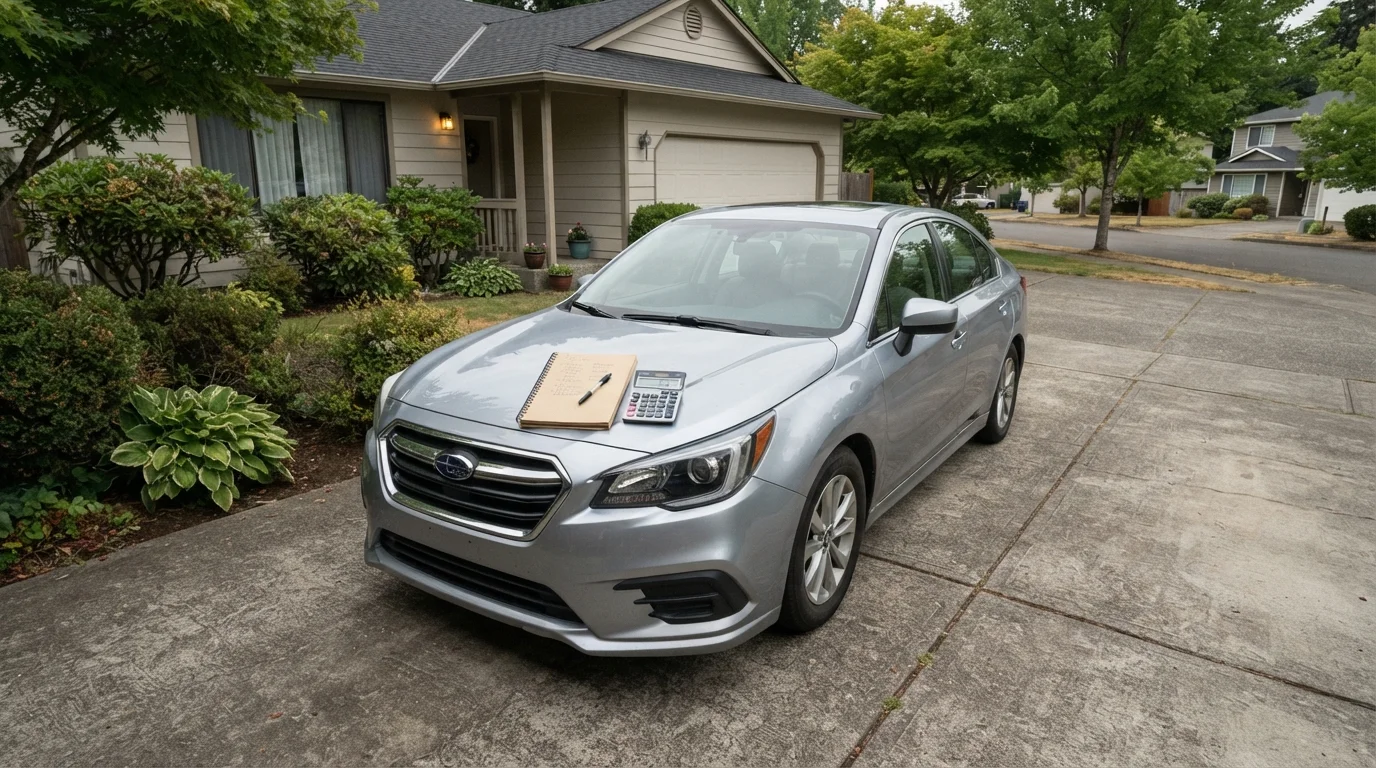
Photo: primesearches.net editorial
Key Takeaways
- Depreciation is typically the single largest ownership cost, often exceeding fuel and insurance combined.
- A vehicle that fits your monthly payment may still strain your budget once all costs are added up.
- Financing interest can add thousands of dollars to a vehicle's real price over a loan term.
- Maintenance and repair costs tend to rise as a vehicle ages, so budgeting ahead reduces financial surprises.
- Insurance premiums vary by vehicle type, driver history, and coverage level, and should be priced before purchase.
Why the monthly payment is the wrong number to focus on
Car dealerships and lenders naturally frame vehicle affordability around the monthly payment. That number is easy to compare against your take-home pay, and it feels concrete. The problem is that it captures only the loan principal and interest. It leaves out several costs that together can equal or exceed the payment itself.
A family budgeting $500 a month for a car payment may actually be committing to $800 or more per month once insurance, fuel, and maintenance are included. That gap is where financial strain enters. Understanding the full picture before signing anything is the clearest way to avoid it.
Practical guidance on managing all car costs can help first-time or budget-conscious owners build a realistic monthly number from the ground up.
Depreciation: the cost you never write a check for
Depreciation is the loss in a vehicle's market value over time. You do not pay it as a bill, but you absorb it when you sell or trade in. A new vehicle typically loses a noticeable share of its value in the first few years of ownership, with the steepest drop often occurring in year one. After that, the rate of decline generally slows.
This matters for budgeting because depreciation is effectively a cost you pay whether you think about it or not. If you purchase a vehicle for $35,000 and sell it five years later for $18,000, you have absorbed $17,000 in depreciation over that period, roughly $3,400 per year. That figure often surprises owners who felt they were building equity by making loan payments.
How new and used vehicles compare financially covers how depreciation curves differ between new and pre-owned purchases, which is relevant when estimating long-term costs.
$12,182
Average annual cost to own and operate a new vehicle
According to AAA's 2023 'Your Driving Costs' study, based on 15,000 miles driven annually across several vehicle categories.
~47%
Share of total ownership cost attributed to depreciation
AAA's analysis consistently shows depreciation as the largest single cost category for new vehicle owners over a five-year ownership period.
$1,500+
Additional interest on a 72-month vs. 60-month loan
Extending a typical auto loan term by one year at common interest rates can add over $1,500 in total interest paid, depending on the loan balance and rate.
Financing costs add to the real purchase price
When you borrow to buy a vehicle, the interest paid over the loan term is a direct addition to the vehicle's cost. On a $30,000 loan at 7% interest over 60 months, you pay several thousand dollars in interest before the loan is paid off. Extending the term to 72 or 84 months to lower the payment increases total interest paid further.
Buyers who roll negative equity from a previous vehicle into a new loan compound this effect. They start the new loan already owing more than the vehicle is worth, paying interest on a deficit from day one. Calculating the total loan cost, not just the monthly figure, gives a more honest price for the vehicle.
Insurance, fuel, maintenance, and fees
Insurance premiums depend on the vehicle's value, repair cost profile, your driving record, your location, and the coverage levels you carry. A vehicle that costs less to buy is not always cheaper to insure; some lower-priced vehicles carry higher repair or theft rates that push premiums up. Getting insurance quotes on a specific vehicle before purchase removes guesswork.
Fuel cost is a function of how much you drive and how efficiently the vehicle uses fuel. A vehicle rated at 25 mpg driven 15,000 miles per year at $3.50 per gallon costs roughly $2,100 annually in fuel alone. A vehicle rated at 18 mpg under the same conditions costs around $2,917. That difference accumulates across ownership years.
Routine maintenance (oil changes, tires, brakes, filters) and unexpected repairs are unavoidable. Newer vehicles under warranty shift some of this risk to the manufacturer, but once coverage ends, repair costs become the owner's responsibility. Common habits that inflate monthly car expenses outlines how deferred maintenance accelerates these costs.
Registration fees, state and local taxes, and, in some states, annual personal property taxes on vehicles add to the total as well. These vary considerably by state and vehicle value, so checking your state's fee schedule for a specific vehicle before purchase gives a more complete cost picture.
This article provides general financial information for educational purposes and does not constitute personalized financial or tax advice. Consult a qualified financial professional for guidance specific to your situation.
Frequently Asked Questions
The content provided on our blog site traverses numerous categories, offering readers valuable and practical information. Readers can use the editorial team’s research and data to gain more insights into their topics of interest. However, they are requested not to treat the articles as conclusive. The website team cannot be held responsible for differences in data or inaccuracies found across other platforms. Please also note that the site might also miss out on various schemes and offers available that the readers may find more beneficial than the ones we cover.