
Habits That Extend the Life of a High-Mileage Vehicle

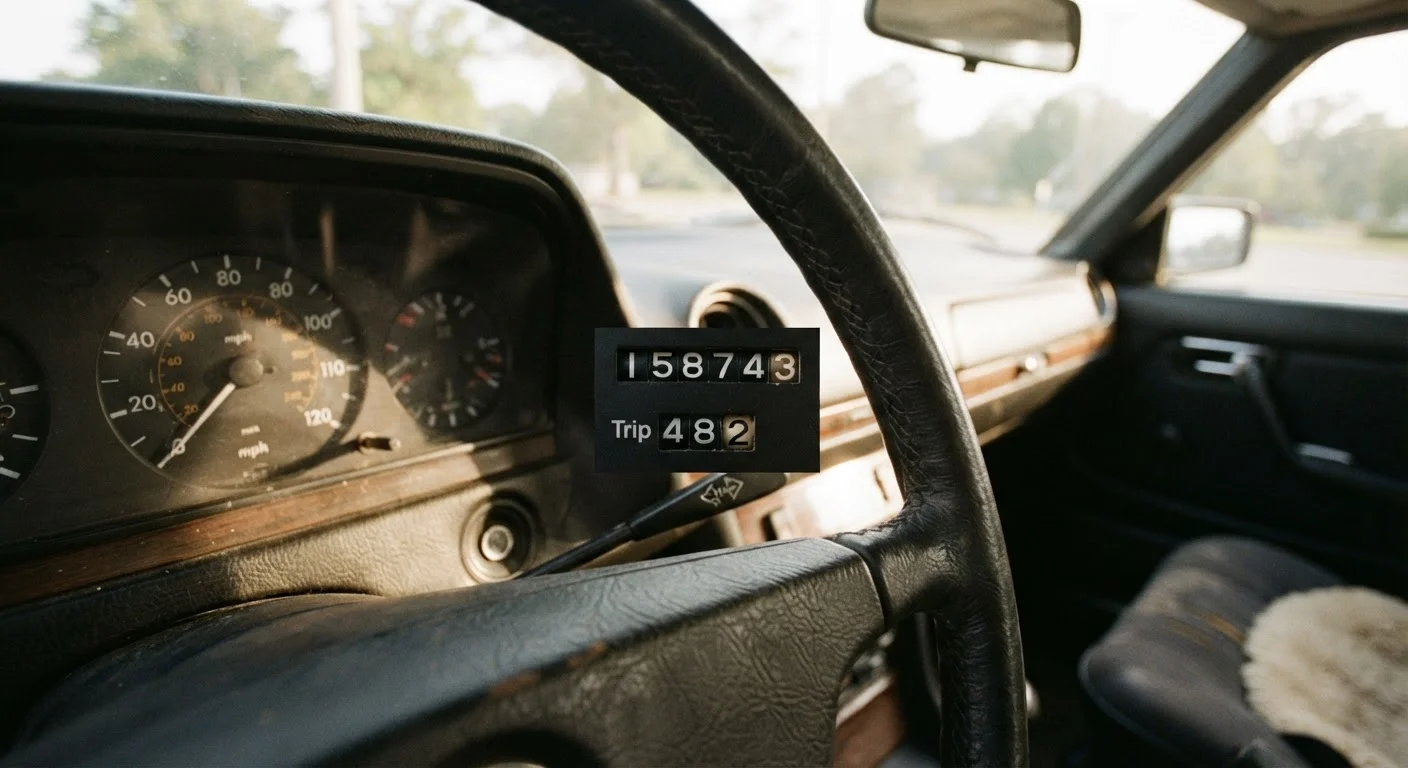
Photo: primesearches.net editorial
Key Takeaways
- Regular oil changes with the correct viscosity grade are the single highest-impact maintenance task for engines above 100,000 miles.
- Coolant, transmission fluid, and brake fluid degrade over time and cause expensive damage when left unchanged too long.
- Smooth driving habits reduce wear on brakes, tires, and drivetrain components more than most owners realize.
- Catching small issues early, through visual checks and listening for changes, prevents minor repairs from becoming major ones.
- Keeping a written maintenance log helps identify patterns and strengthens resale value if you sell the vehicle.
Why high-mileage vehicles reward consistent care
A vehicle crossing 100,000 miles is not worn out. Many engines and transmissions are designed to run well past 200,000 miles when basic maintenance stays on schedule. The problem is that deferred maintenance compounds: skipping one fluid change stresses components that then wear faster, which leads to the next failure arriving sooner than it should.
For a family weighing a car payment against repair costs, the math usually favors keeping a paid-off vehicle running rather than replacing it. Overlooked habits and deferred tasks quietly inflate monthly costs more than most owners track. The habits below address the areas where neglect does the most damage to an older vehicle.
Core maintenance practices that protect a high-mileage engine
The practices listed here cover the maintenance tasks that have the largest effect on how long an older vehicle stays reliable and affordable to operate.
Change oil on schedule using the viscosity grade specified in your owner's manual
Flush coolant and transmission fluid at the intervals your owner's manual specifies
Inspect and replace belts and hoses before they show obvious cracking
Check tire pressure monthly and rotate tires every 5,000 to 7,500 miles
Address small leaks promptly rather than monitoring them
For tasks you are comfortable handling yourself, air filters and cabin filters are straightforward starting points. Anything involving the fuel system, brakes, or suspension should go to a qualified mechanic.
Driving habits that reduce mechanical wear
How a vehicle is driven affects component life as much as scheduled maintenance does. Hard acceleration forces the engine and transmission to work at maximum load, burning more fuel and generating more heat. Aggressive braking converts kinetic energy into heat, wearing brake pads and rotors faster than gradual stops do.
Warming up the engine briefly before driving hard is worth doing in cold weather, though modern fuel-injected engines do not need extended idling to warm up. A minute or two of gentle driving accomplishes the same thing more efficiently. Many widely believed fuel-saving habits are simply wrong, and extended idling is one of them.
Highway miles are generally easier on a drivetrain than stop-and-go city miles, because sustained moderate loads produce less heat cycling than repeated acceleration and braking. If your driving is mostly city, shortening fluid change intervals slightly is a reasonable precaution.
Keeping a maintenance log and watching for early warnings
A written log, even a simple notebook kept in the glove box, removes guesswork. Record the date, mileage, and work performed for every service. When a mechanic asks when the coolant was last flushed, you will have a real answer rather than a guess.
Early warning signs in a high-mileage vehicle often appear as sounds and smells before they appear as failures. A faint burning smell after parking can indicate a small oil leak dripping onto hot exhaust. A whine during steering indicates power steering fluid may be low or the pump is starting to wear. Addressing these early costs far less than waiting for a breakdown.
Budget-conscious ownership depends on information. A maintenance log also documents the vehicle's history for a future buyer, which can support a higher asking price when you eventually sell or trade.
This article is for general informational purposes only. Consult a qualified mechanic for diagnosis and repair recommendations specific to your vehicle.
The content provided on our blog site traverses numerous categories, offering readers valuable and practical information. Readers can use the editorial team’s research and data to gain more insights into their topics of interest. However, they are requested not to treat the articles as conclusive. The website team cannot be held responsible for differences in data or inaccuracies found across other platforms. Please also note that the site might also miss out on various schemes and offers available that the readers may find more beneficial than the ones we cover.