
Stretching Your Pet Food Budget Without Cutting Corners on Nutrition

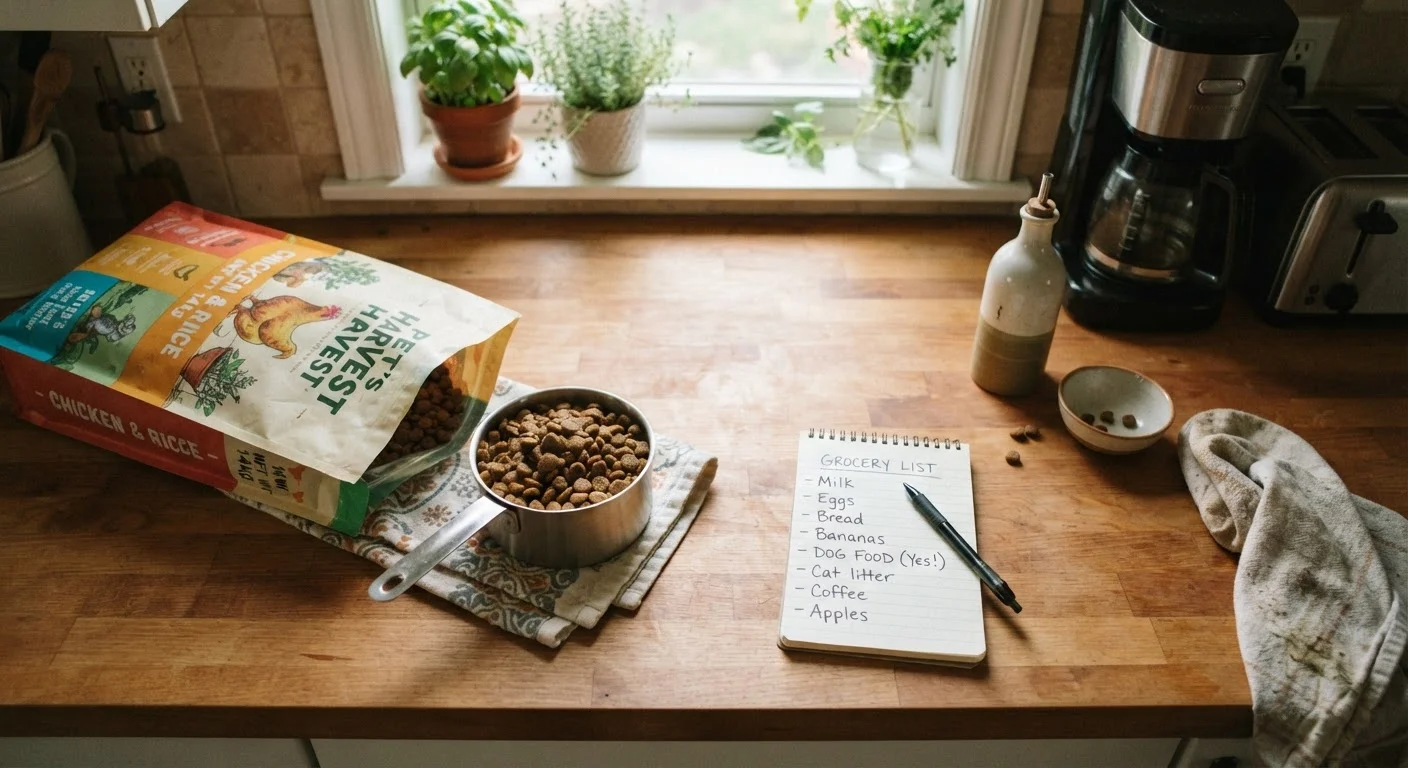
Photo: primesearches.net editorial
Key Takeaways
- Portion control alone can reduce pet food costs by 10 to 20 percent without changing what you buy.
- Reading ingredient and guaranteed analysis panels helps you compare foods by nutrition, not price tag.
- Mixing a lower-cost food with your current food can maintain nutrition while cutting monthly spend.
- Buying in larger quantities typically lowers the per-ounce cost, as long as storage stays dry and sealed.
- Switching foods too fast causes digestive upset; always transition over 7 to 10 days.
- Your veterinarian can confirm whether a lower-cost food meets your specific pet's nutritional needs.
Why pet food costs creep up quietly
Pet food is a recurring expense that tends to grow in ways families do not notice. Bag sizes shrink while prices hold steady. Pets gain weight and need larger portions. A specialty food recommended after a minor health scare becomes a permanent fixture in the cart. The result is a monthly food bill that has drifted well above what the family originally planned.
The good news is that the gap between what many families spend and what adequate nutrition actually costs is often significant. Common overspending patterns in pet ownership include buying based on front-of-bag claims rather than nutritional facts, and feeding portions larger than the animal needs. Both are fixable without switching to a food that compromises your pet's health.
What you will need
What you need before you start
Gathering a few pieces of information upfront makes the process faster and reduces the risk of making a change that does not suit your pet.
Kitchen or postal scale
Weighs kibble by gram or ounce for accurate portioning, which prevents overfeeding and unnecessary spend.
Airtight storage container
Keeps bulk-purchased dry food fresh and free from moisture and pests.
Pet food cost calculator (pen and paper or spreadsheet)
Computes the cost per ounce or per day across different food options so you compare accurately.
Step-by-step: finding savings without sacrificing nutrition
Work through these steps in order. Each one builds on the previous, and skipping ahead, particularly past the transition step, is a common reason dietary changes cause problems rather than savings.
Calculate what you actually spend per day
Before changing anything, find out what your current food costs per day. Divide the bag price by the number of ounces, then multiply by the daily ounces your pet eats. This gives you a baseline number to compare any alternative against. Many families find the current daily cost surprises them once written down.
Check your pet's actual feeding portions
Overfeeding is one of the most common ways pet food costs rise. Packaging guidelines are starting points, not fixed rules; the right portion depends on your pet's weight, age, and activity level. Weigh a typical serving and compare it to the guideline. Reducing even half an ounce per meal per day can save a meaningful amount across a year.
Read the guaranteed analysis panel, not just the front label
The front of a bag uses marketing language. The guaranteed analysis panel on the back states minimum crude protein, minimum crude fat, maximum crude fiber, and maximum moisture as legally required figures. Compare foods you are considering using these numbers rather than brand claims. A food with similar or better nutrient percentages at a lower price per ounce is a genuine saving, not a compromise.
For dogs, the Association of American Feed Control Officials (AAFCO) statement on the label tells you whether the food is formulated to meet minimum nutritional standards for your pet's life stage. Look for this statement on any food you consider.
Compare cost per ounce across sizes and formats
Larger bag sizes almost always cost less per ounce than smaller ones. Calculate cost per ounce for the sizes available, then confirm you can store the larger quantity properly. Dry kibble stored in a sealed container in a cool, dry place typically stays fresh for four to six weeks after opening, though you should follow the manufacturer's guidance on the packaging.
Test a gradual transition to a lower-cost food
If you identify a food with comparable nutrition at a lower price, introduce it slowly. A standard transition schedule is 25 percent new food mixed with 75 percent current food for two to three days, then 50/50 for two to three days, then 75 percent new food for two to three days, then full switch. This reduces the risk of digestive upset, which itself can lead to veterinary costs that cancel any savings.
Monitor your pet's condition for four to six weeks
After a full switch, watch your pet's coat condition, energy level, stool consistency, and weight. These are practical indicators that the new diet is or is not working. If the animal maintains good condition, the cost saving is real. If you see deterioration, return to the previous food and consult your veterinarian before trying again.
Never skip your vet before changing pet diets
How this fits your broader pet budget
Food is typically the largest recurring pet expense, but it is not the only one. Savings here create room for costs that protect your pet's health long-term. Routine preventive care such as annual wellness visits and dental checks can prevent far more expensive interventions down the line.
If your family is also thinking about how to handle unexpected vet costs, the comparison in pet insurance versus a dedicated savings fund can help you decide where freed-up food budget money goes next.
Wet food as a topper, not a full meal
This article is for general informational purposes only and does not constitute veterinary or nutritional advice. Consult a licensed veterinarian before making significant changes to your pet's diet, particularly if your animal has an existing health condition.
The content provided on our blog site traverses numerous categories, offering readers valuable and practical information. Readers can use the editorial team’s research and data to gain more insights into their topics of interest. However, they are requested not to treat the articles as conclusive. The website team cannot be held responsible for differences in data or inaccuracies found across other platforms. Please also note that the site might also miss out on various schemes and offers available that the readers may find more beneficial than the ones we cover.