
Ways Families Overspend on Pets Without Realising It

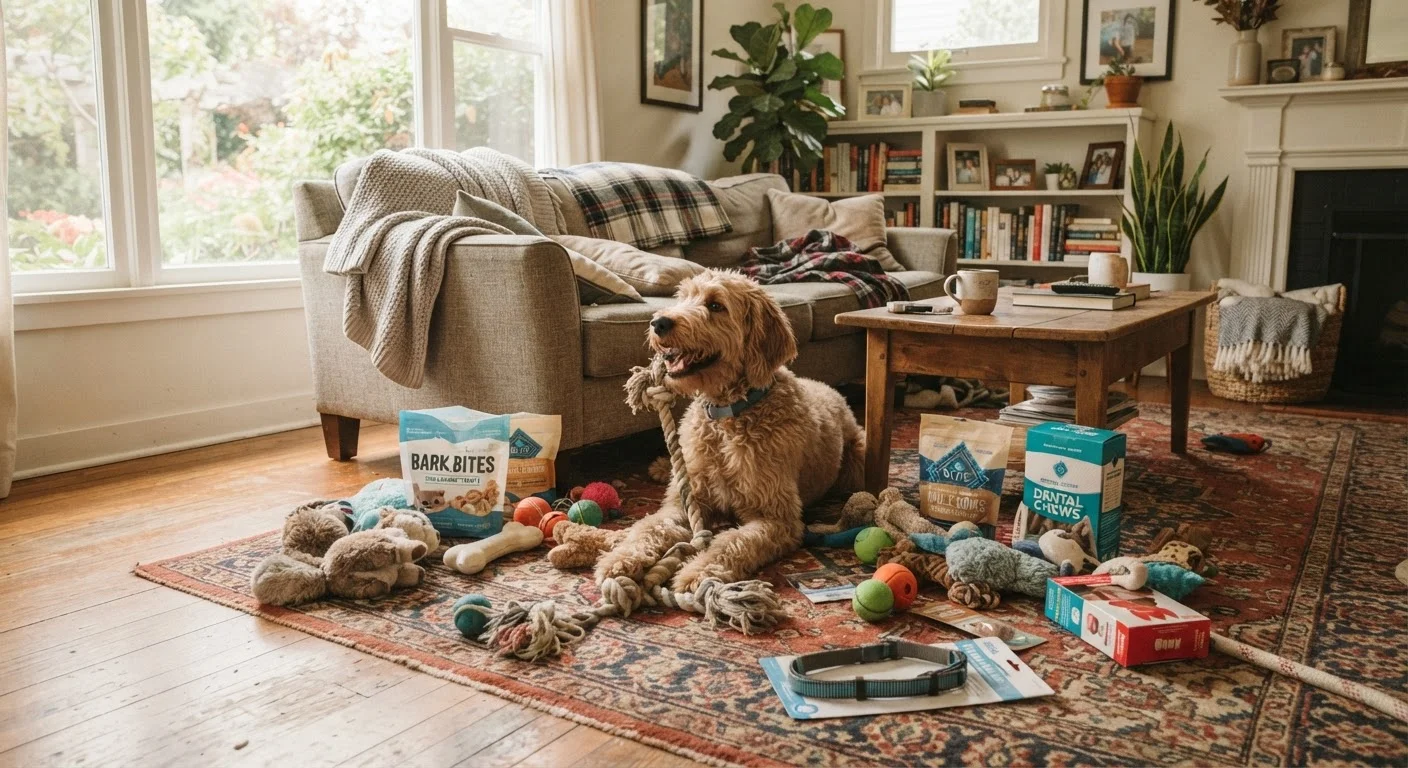
Photo: primesearches.net editorial
Key Takeaways
- Impulse toy and treat purchases are among the easiest categories for pet budgets to silently balloon.
- Skipping generic medications in favor of brand-name versions can cost significantly more with no clinical difference.
- Auto-renewing pet subscriptions and wellness plans deserve the same audit you give other monthly charges.
- Preventive care is usually cheaper than emergency treatment, making routine vet visits a financial decision too.
- Overfeeding is both a health risk and a hidden cost, shortening the supply of food faster than owners expect.
Why pet overspending is so easy to miss
Pet costs rarely arrive as one big bill. They accumulate in small amounts across dozens of categories: a chew toy here, an upgraded food there, a grooming add-on that seemed reasonable at checkout. Because each charge looks minor on its own, families seldom connect them into a full picture. The American Pet Products Association has tracked total US pet spending reaching into the tens of billions annually, which reflects just how normalized routine overspending has become across households.
Understanding where the money actually goes is the first step toward keeping it under control. The mistakes below are not about being careless owners. Most happen because pet marketing is skilled at framing extras as necessities, and because genuine love for an animal makes it hard to feel like spending is ever too much. See our full cost breakdown for pet owners to understand what a realistic annual budget actually looks like.
The most common ways pet budgets get quietly drained
The patterns below repeat across pet-owning households regardless of income. Recognizing them is what makes them avoidable.
Buying toys and treats impulsively at the register or during online browsing sessions.
Paying brand-name prices for medications when generics are available.
Overfeeding, which shortens food supply and contributes to weight-related health costs.
Signing up for subscription pet boxes or wellness plans without tracking their value.
Skipping routine vet visits to save money, then facing larger bills for conditions that went undetected.
Buying premium or specialty food based on marketing rather than veterinary guidance.
Untracked small charges compound fast
For a broader look at money habits that work against family finances, the money myths article covers several principles that apply directly to pet spending decisions.
What to do once you spot the patterns
A one-time review of your pet spending often reveals more than a year of casual awareness. Pull three months of bank or credit card statements and categorize every pet-related charge. Food, vet, medication, grooming, toys, subscriptions, and boarding each deserve their own column. The categories where spending is hardest to recall are usually the ones growing fastest.
Generic medications approved by the FDA carry the same active ingredients as brand-name versions. Asking your vet explicitly whether a generic is available is a straightforward conversation that many owners skip. The common misconceptions about cheap pet care article separates the genuinely frugal moves from the shortcuts that backfire.
If your household carries a pet subscription box or a vet wellness plan, check what it actually covers against what your pet uses. Plans that include services your pet does not need are a cost, not a saving. The subscription creep guide covers how to audit recurring charges methodically.
Finally, the question of how to handle unexpected vet costs deserves a deliberate answer. Pet insurance versus a dedicated savings fund walks through the trade-offs for families weighing both options.
The content provided on our blog site traverses numerous categories, offering readers valuable and practical information. Readers can use the editorial team’s research and data to gain more insights into their topics of interest. However, they are requested not to treat the articles as conclusive. The website team cannot be held responsible for differences in data or inaccuracies found across other platforms. Please also note that the site might also miss out on various schemes and offers available that the readers may find more beneficial than the ones we cover.