
Preventive Pet Care: Why Spending a Little Now Saves a Lot Later

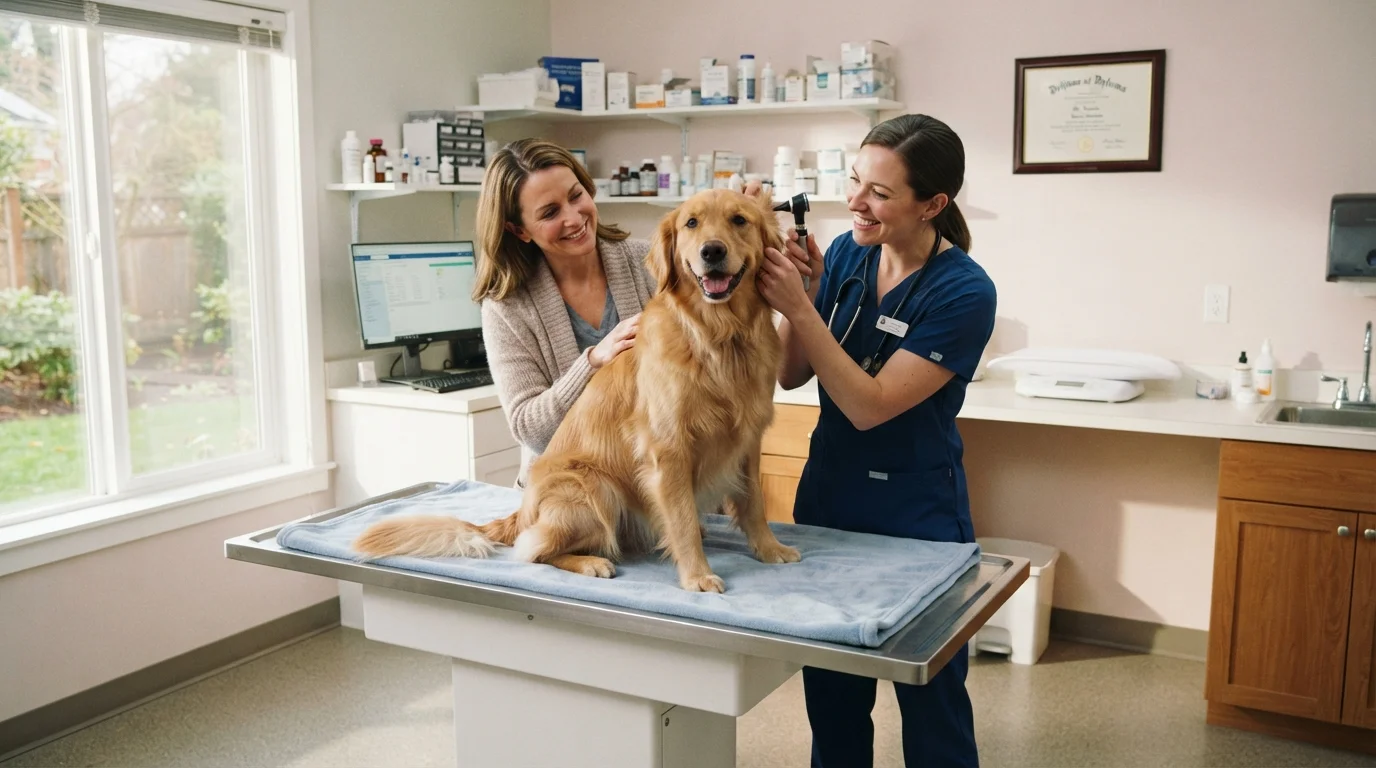
Photo: primesearches.net editorial
Key Takeaways
- Routine vet visits typically cost far less than treating preventable conditions caught late.
- Parasite prevention, dental care, and weight management are among the highest-value preventive habits.
- Many preventive tasks can be done at home with minimal expense when done correctly.
- Skipping preventive care rarely saves money and often creates larger bills down the road.
The real cost of skipping routine care
A single emergency vet visit for a dog with an untreated ear infection can run $300 to $600 once diagnostics and medication are factored in. Routine ear cleaning and early intervention at an annual exam costs a fraction of that. The pattern repeats across dental disease, obesity, parasites, and other conditions that start small and grow expensive when ignored.
This is not about spending money for the sake of it. Preventive care works because most chronic and emergency conditions in pets have early stages where treatment is simpler, faster, and cheaper. Catching a problem at stage one rather than stage four changes the bill significantly. It also changes the outcome for the animal.
Some money-saving shortcuts backfire badly, and skipping annual wellness visits is one of the clearest examples. Families who build a small, consistent budget for preventive care generally spend less on pets over time than those who pay nothing until a crisis forces the issue.
Preventive practices that deliver the most value
Not all preventive spending carries the same return. The practices below address the conditions most likely to generate large vet bills if left unmanaged.
Schedule an annual wellness exam for every pet, every year.
Keep parasite prevention current year-round.
Manage your pet's weight with portion control and regular monitoring.
Address dental hygiene consistently, not just during cleanings.
Stay current on core vaccinations.
What you can do at home without extra cost
Several preventive habits require no vet visit and cost nothing beyond a few minutes of attention. Checking a dog's ears weekly for redness or odor, brushing a cat's coat to reduce hairballs, and monitoring your pet's body weight by feel (you should be able to feel ribs without pressing hard) are all free. So is adjusting food portions when a pet starts gaining weight, which is the single most direct prevention for obesity-related disease.
Bathing, nail trims, and basic grooming can save money at home, but it is worth knowing where the line sits between useful DIY and tasks that need professional hands. Dental brushing at home, done consistently with a pet-safe toothpaste, can extend the interval between professional cleanings significantly.
Planning ahead so costs stay manageable
Preventive care is predictable, which makes it easy to budget for. Annual wellness exams, vaccinations, and parasite prevention products follow a regular schedule. Writing those costs into a monthly household budget, even as a small line item, removes the sting of the bill when it arrives.
Whether you pay monthly premiums or build a dedicated savings fund, the logic of preventive care holds either way: fewer emergencies mean less strain on whatever financial safety net you have in place. Some veterinary practices also offer annual wellness plans that spread predictable costs across monthly payments, which can help with cash flow without adding debt.
Common spending patterns quietly drain pet budgets over time, but preventive care is one area where spending consistently is genuinely protective. The goal is not zero vet bills. The goal is avoiding the large, sudden ones.
The content provided on our blog site traverses numerous categories, offering readers valuable and practical information. Readers can use the editorial team’s research and data to gain more insights into their topics of interest. However, they are requested not to treat the articles as conclusive. The website team cannot be held responsible for differences in data or inaccuracies found across other platforms. Please also note that the site might also miss out on various schemes and offers available that the readers may find more beneficial than the ones we cover.