
DIY Pet Care Tasks That Are Genuinely Safe (and Those Best Left to Professionals)

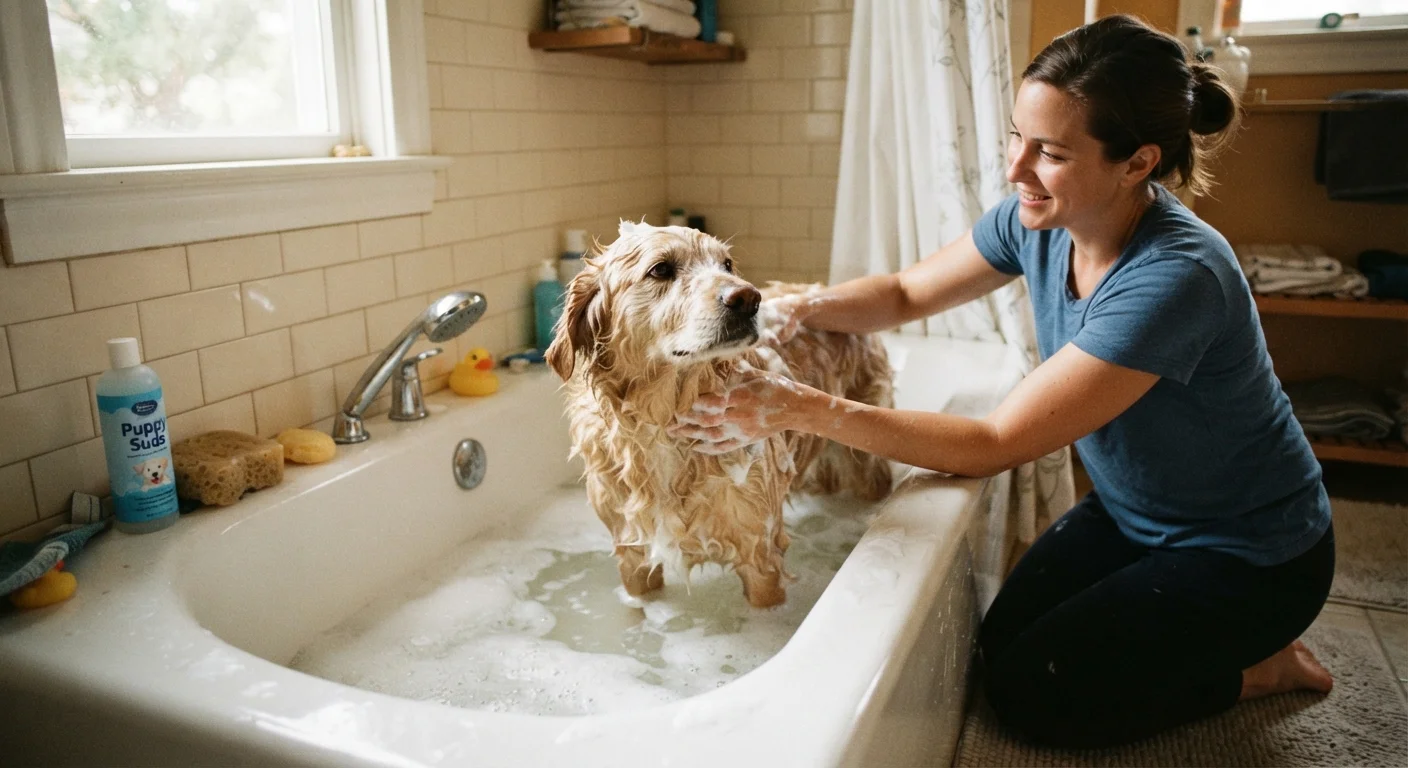
Photo: primesearches.net editorial
Key Takeaways
- Bathing, brushing, and ear cleaning are generally safe DIY tasks for most pet owners.
- Nail trims can be done at home but require care to avoid cutting the quick and causing pain or bleeding.
- Dental cleanings under anesthesia, anal gland expression, and wound care should be handled by a vet.
- DIY mistakes can create infections, injuries, or anxiety in pets that cost more to fix than the original service.
- Knowing where the line is helps families save money without compromising their pet's health.
What makes a task safe to do at home
The deciding factor is not cost, but risk. A task is safe for home care when the margin for error is low, the consequences of a minor mistake are mild, and no specialized equipment or anatomical knowledge is required. Bathing a dog checks all three boxes. Expressing anal glands does not.
Comfort with your specific animal matters too. A calm dog who has been handled since puppyhood tolerates nail trims far better than a reactive cat who has never had its paws touched. Before starting any new DIY task, spend a few sessions just handling the relevant body part so the animal associates it with something neutral or positive. This conditioning takes time but prevents injuries to both the pet and the person.
Having the right tools also separates a safe attempt from a harmful one. Using human nail clippers on a dog, for example, crushes the nail rather than cutting it cleanly, and that causes pain regardless of technique.
DIY tasks that are genuinely safe for most owners
Bathing. For dogs, home baths are straightforward. Use a shampoo formulated for pets (human shampoo disrupts the pH of a dog's skin), rinse thoroughly, and dry the ears carefully to prevent moisture buildup. Most short- to medium-coated dogs need a bath every four to six weeks. Long-coated breeds may need more frequent attention.
Brushing and coat maintenance. Regular brushing prevents matting, reduces shedding, and gives owners a chance to spot lumps, ticks, or skin irritation early. For cats, brushing is especially useful for long-haired breeds prone to hairballs. The technique varies by coat type, but the risk of doing it wrong is low.
Basic ear cleaning. Wiping the visible outer ear with a veterinarian-approved ear cleaner and a cotton ball is safe for most dogs. Do not insert anything into the ear canal, and stop if the pet shows pain or if there is discharge or odor, both of which signal an infection that needs professional diagnosis.
Nail trims with caution. This task sits at the edge of safe DIY. Done correctly with sharp pet nail clippers, it saves money and keeps nails at a healthy length. The risk is cutting the quick, the blood vessel inside the nail, which causes bleeding and pain. Keep styptic powder on hand, go slowly, and clip small amounts at a time. For dark nails where the quick is not visible, a veterinarian or groomer can show you the correct landmark before you try it solo.
Build skills before going solo
See our guide to preventive pet care for a broader look at routine habits that reduce expensive vet visits.
Tasks that belong with a professional
Dental cleanings. Brushing a pet's teeth at home (with pet-safe toothpaste) is a valid daily habit. Professional dental cleanings are different: they require anesthesia, scaling below the gumline, and assessment for tooth root disease. Attempting to scrape a pet's teeth at home without anesthesia causes stress and does not address the areas where disease actually develops.
Anal gland expression. Some dogs need their anal glands manually emptied when the glands do not empty naturally. This task is uncomfortable for the animal, easy to perform incorrectly, and carries a real risk of injury or infection if done without training. A veterinarian or experienced groomer handles this in minutes; a mistake at home can require veterinary treatment that costs far more than the service itself.
Wound care beyond minor surface cuts. A small scratch can be gently cleaned with saline, but puncture wounds, deep lacerations, animal bites, and any wound that is swollen, warm, or not healing within 24 hours need a vet. Infection in pets can escalate quickly, and some wounds require sutures or antibiotics that are not available over the counter.
Ear infections and eye conditions. Redness, discharge, or persistent scratching at the ears or eyes always warrants a professional visit. These conditions have multiple causes, and using the wrong treatment makes them worse. Skipping the vet for these symptoms is one of the false economies that reliably leads to larger bills.
Comparing DIY and professional care across common tasks
| DIY at home | Professional care | |
|---|---|---|
| Bathing | Safe, low cost, $0-$5 in supplies | Groomer: $30-$90 depending on size |
| Brushing | Safe daily habit, minimal cost | Included in most grooming appointments |
| Nail trims | Possible with practice, risk of quick injury | Groomer or vet: $10-$25, lower risk |
| Ear cleaning (outer only) | Safe with correct technique | Vet if discharge or odor present |
| Anal gland expression | Not recommended without training | Vet or groomer: $20-$50 |
| Dental cleaning | Home brushing only, not a substitute | Vet under anesthesia: $300-$700+ |
| Wound care | Minor surface cuts only | Vet for deep wounds, bites, infection signs |
The costs above are general estimates and vary by region, animal size, and provider. For tasks in the professional column, calling a low-cost veterinary clinic or a grooming school can reduce the expense without reducing the quality of care. Many grooming schools charge reduced rates for supervised student work.
Planning for larger vet expenses is a separate question worth thinking through, especially if your pet's breed is prone to conditions that require frequent professional attention.
The content provided on our blog site traverses numerous categories, offering readers valuable and practical information. Readers can use the editorial team’s research and data to gain more insights into their topics of interest. However, they are requested not to treat the articles as conclusive. The website team cannot be held responsible for differences in data or inaccuracies found across other platforms. Please also note that the site might also miss out on various schemes and offers available that the readers may find more beneficial than the ones we cover.