
Grocery Spending Habits That Quietly Drain Family Budgets

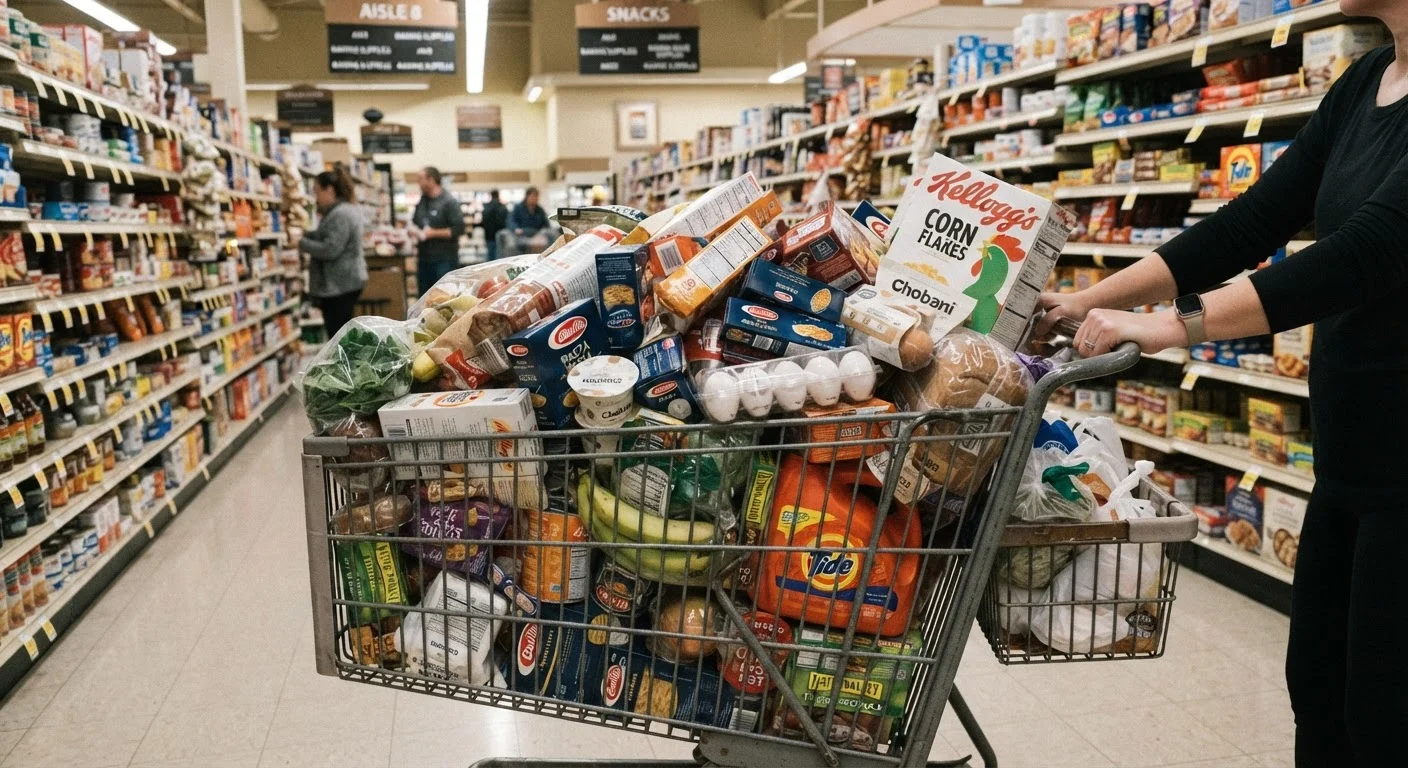
Photo: primesearches.net editorial
Key Takeaways
- Shopping without a list consistently leads to unplanned purchases that inflate the weekly total.
- Buying in bulk only saves money when the items get used before they expire.
- Convenience and pre-packaged foods carry a significant price premium over whole ingredients.
- Store loyalty programs can obscure whether the sale price is actually a good deal.
- Hunger and time pressure are two of the strongest drivers of overspending at the register.
Why grocery bills run higher than families expect
Grocery spending is one of the largest variable expenses in a household budget, and unlike rent or a car payment, it shifts week to week in ways that are easy to ignore. The U.S. Bureau of Labor Statistics consistently places food at home among the top spending categories for American families, yet most households have only a rough sense of what they actually spend each month.
The gap between what families think they spend and what they actually spend is not usually caused by one big purchase. It builds from repeated small habits: the extra items tossed in the cart, the produce that goes bad, the convenience foods that cost three times as much as making the same thing from scratch. Understanding which habits drive that gap is the first step toward closing it. For a broader look at financial patterns that quietly cost families money, see common money myths worth examining.
The habits that quietly push costs up
Most grocery overspending comes from patterns that feel reasonable in the moment. The mistakes below are the ones that appear most often and have the most straightforward fixes.
Shopping without a list or meal plan.
Buying in bulk without checking actual usage patterns.
Defaulting to pre-cut, pre-seasoned, or single-serving packaged foods.
Shopping when hungry or rushed.
Assuming sale prices and loyalty discounts always represent real savings.
Letting produce, leftovers, and perishables go to waste.
Convenience formats cost more than they appear
Grocery decisions also ripple into related budget areas. Families who manage food costs well often apply the same discipline to other recurring expenses. The 50/30/20 budget framework can help households figure out how much of their income should reasonably go toward necessities like groceries.
Practical adjustments that add up over time
$5,703
Average annual household spending on groceries
According to the U.S. Bureau of Labor Statistics Consumer Expenditure Survey, this represents spending on food at home per consumer unit.
30-40%
Share of food purchased that goes to waste
The USDA has estimated that roughly 30 to 40 percent of the U.S. food supply is wasted, with household-level waste contributing substantially.
Changing grocery habits does not require extreme couponing or hours of meal prep. A few consistent adjustments make a measurable difference. Writing a list before every trip, checking what is already in the pantry, and eating before shopping are all low-effort changes with direct cost impact.
Comparing unit prices rather than package prices is one of the most effective tools available to any shopper. The unit price is typically printed on the shelf tag and shows the cost per ounce, pound, or count. A larger package is not always cheaper per unit, and this is where bulk buying assumptions break down most often.
Families with pets face similar dynamics in that category too. Stretching the pet food budget without cutting nutritional corners follows many of the same principles: comparing unit costs, avoiding single-serve packaging, and planning purchases around actual consumption rather than habit.
This article provides general financial information for educational purposes only. It is not personalized financial advice. For guidance specific to your household's situation, consider consulting a qualified financial professional.
The content provided on our blog site traverses numerous categories, offering readers valuable and practical information. Readers can use the editorial team’s research and data to gain more insights into their topics of interest. However, they are requested not to treat the articles as conclusive. The website team cannot be held responsible for differences in data or inaccuracies found across other platforms. Please also note that the site might also miss out on various schemes and offers available that the readers may find more beneficial than the ones we cover.